
Containerization: The Modern Way to Build, Ship, and Scale Applications in 2025
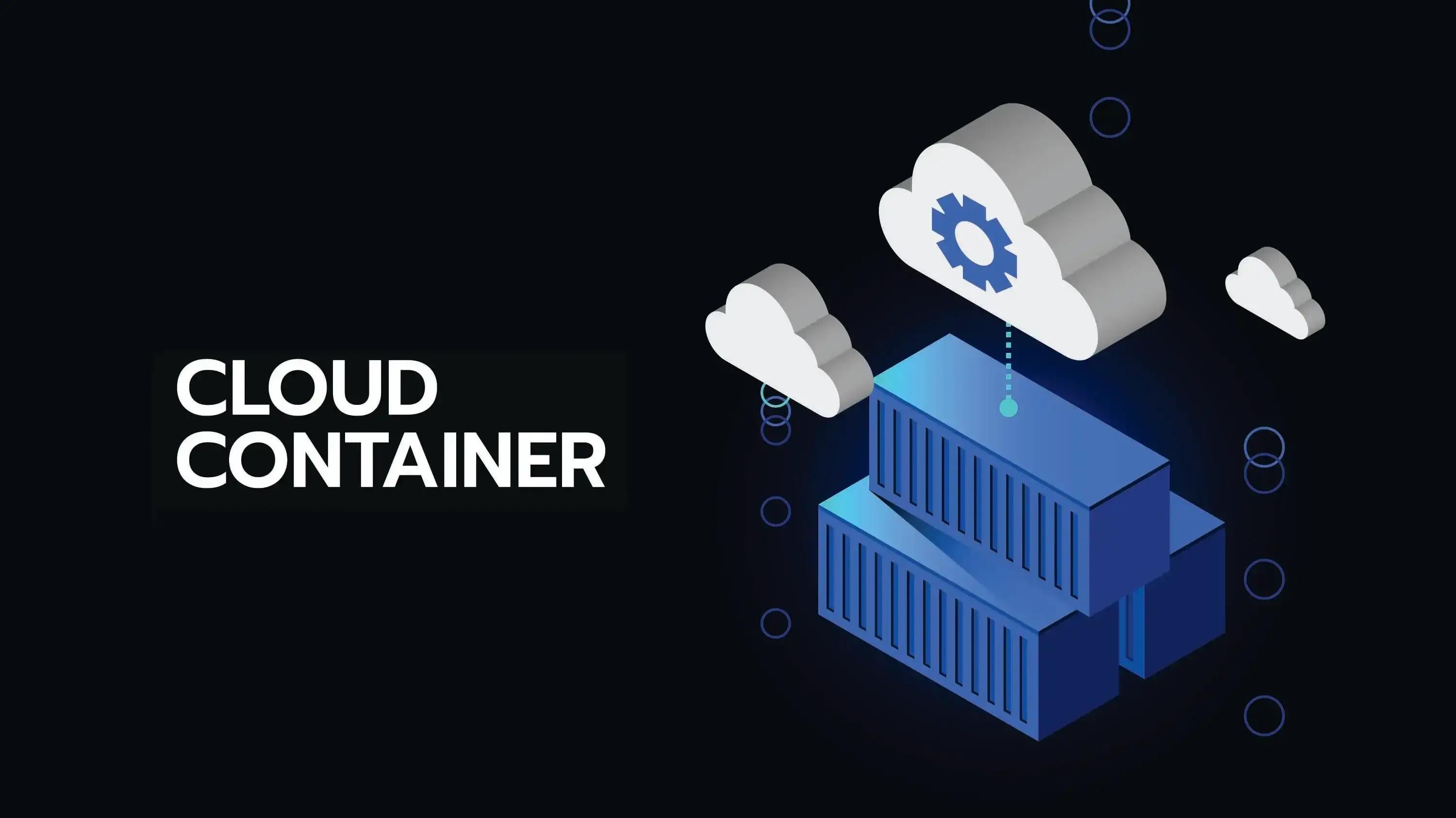
Containerization has transformed the software development world — making apps faster to deploy, easier to scale, and far more reliable. By 2025, containers are no longer an optional DevOps tool. They have become the standard foundation for building modern, cloud-native applications.
Whether you're deploying microservices, backend APIs, or full-stack web apps, containerization ensures your application runs exactly the same everywhere — locally, in testing, and in production.
🚢 What Is Containerization?
Containerization is the process of packaging an application along with all its dependencies into a lightweight, isolated, and portable unit called a container.
Unlike virtual machines, containers:
- Don’t need a full operating system
- Start within milliseconds
- Consume fewer resources
- Run consistently across different environments
The most widely used container platform is Docker, and orchestration is often handled by Kubernetes (K8s).
🧩 Why Containerization Is Essential in 2025
1. Consistency Across All Environments
Containers eliminate the classic problem:
“It works on my machine, but not on production.”
Your application behaves identically everywhere because it carries its entire environment with it.
2. Faster Development & Deployment
Containers can be built, shared, tested, and deployed extremely quickly.
- Instant startup
- Minimal configuration
- Automated pipelines with CI/CD tools
3. Perfect for Microservices Architecture
Each microservice runs in its own isolated container.
Benefits:
- Independent scaling
- Independent deployment
- Easier debugging
- Smaller services → less complexity
4. Scalability Made Simple
Containers scale horizontally with ease.
Tools like Kubernetes automatically handle:
- Load balancing
- Auto-scaling
- Rolling updates
- Self-healing
This ensures high availability and zero downtime.
5. Efficient Resource Usage
Containers use fewer resources compared to VMs.
This means:
- Lower server costs
- Better performance
- Higher density per machine
🔧 Common Uses of Containerization
📦 Backend Services
Deploy Express, Django, Laravel, or Spring Boot apps in isolated, reproducible containers.
🌐 Frontend Builds
Build React/Next.js apps inside containers for:
- Consistent CI/CD
- Predictable build outputs
💾 Databases & Caches
Run PostgreSQL, Redis, MongoDB, or MySQL containers locally or in production.
🤖 AI Model Serving
Containers help deploy AI/ML models with correct dependencies and GPU support.
🛠️ Popular Tools in 2025
- Docker – Most popular container engine
- Docker Compose – Local multi-service environments
- Kubernetes – Industry-standard orchestration
- Helm – Kubernetes package manager
- Podman – Rootless, secure container engine
- AWS ECS / EKS – Cloud-native container runtime & orchestration
- Google Cloud Run – Run containers serverlessly
🔍 Why Developers Love Containers
- No dependency conflicts
- Easy rollback with versioned images
- Infrastructure-as-code friendly
- Perfect match for DevOps workflows
- Enables continuous deployment
- Works with all major cloud providers
🔮 Final Thoughts
Containerization is not just a trend — it’s a fundamental shift in how software is built and deployed. In 2025, teams rely on containers for everything from microservices and databases to AI models and full cloud-native applications. Their portability, scalability, and reliability make them an essential part of any modern development stack.
If you're building apps that need to be fast, scalable, and truly production-ready, containerization is the foundation your architecture needs.
Recommended Posts
How AI Changed Coding — But Not Software Engineering 🤖💻
Click to read the full article and explore more insights into modern development...

Things I Notice Immediately When I Visit a Website as a Developer 👀💻
Click to read the full article and explore more insights into modern development...
Things I Learned After Deploying Real Projects to Production 🚀
Click to read the full article and explore more insights into modern development...