
Building Scalable APIs with Node.js and Express: Best Practices for 2025 ⚙️
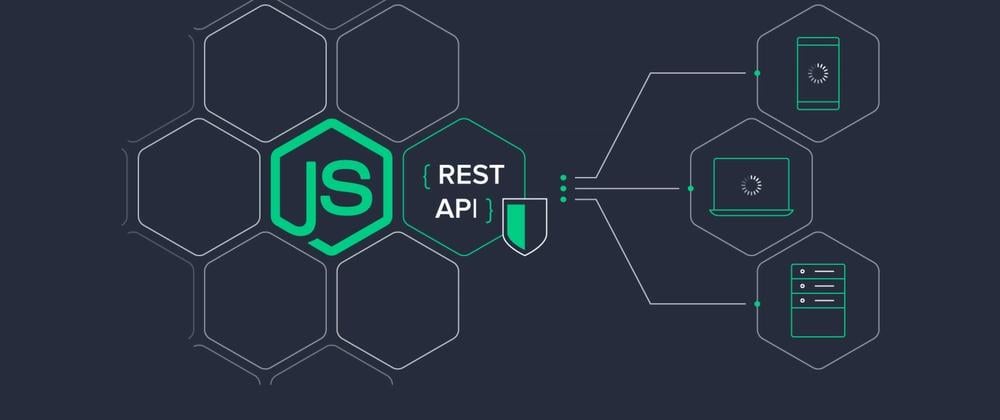
APIs are the backbone of every modern web and mobile application.
In 2025, scalability, performance, and maintainability are no longer optional — they’re expected.
With the flexibility of Node.js and the simplicity of Express, developers can build fast and efficient APIs that scale effortlessly.
Here’s a look at the best practices for building scalable APIs using Node.js and Express this year.
🚀 1. Structure Your Project for Growth
A well-organized project structure keeps your code maintainable as it grows.
Recommended Approach:
- Separate routes, controllers, services, and models.
- Keep configurations and environment variables isolated.
- Use modular patterns to make testing and updates easier.
This ensures teams can work independently without breaking existing functionality.
⚡ 2. Embrace Asynchronous and Non-Blocking Patterns
Node.js thrives on asynchronous operations.
Use Promises or async/await to handle requests efficiently and prevent the event loop from being blocked.
Example:
Database calls, file reads, or external API requests should always run asynchronously to keep the API responsive — especially under high load.
🔒 3. Prioritize Security Early
Security isn’t an afterthought.
Use proven middleware and best practices to safeguard your API:
- Helmet for securing HTTP headers.
- CORS configuration to control access.
- Rate limiting to prevent abuse or DDoS attacks.
- Input validation using libraries like Joi or Zod.
Always sanitize user inputs to prevent injection attacks and data leaks.
⚙️ 4. Optimize Database and API Performance
Database queries often become bottlenecks as your app scales.
To avoid slow response times:
- Use indexes on frequently queried fields.
- Implement caching with Redis or in-memory solutions.
- Paginate large datasets instead of sending everything at once.
- Optimize queries using ORMs like Prisma or Mongoose efficiently.
Also, consider batching multiple API requests into a single endpoint when possible.
🌍 5. Handle Environment Configurations Smartly
Separate development, staging, and production configurations using .env files.
Never hardcode sensitive data like API keys or tokens.
Tools like dotenv or config can help manage environment-specific variables safely.
🧩 6. Add Middleware for Logging and Error Handling
Centralized error handling improves debugging and reliability.
Use middleware like morgan or winston for structured logging, and create a global error handler to send consistent responses.
Example:
Return standardized JSON error messages with status, code, and message keys for easier client-side handling.
☁️ 7. Deploy with Scalability in Mind
When it’s time to deploy:
- Use load balancers to distribute requests evenly.
- Scale horizontally with multiple Node.js instances.
- Use cloud services (AWS, Vercel, Render) for auto-scaling.
- Containerize with Docker for consistent environments.
You can also integrate CI/CD pipelines to automate testing and deployments.
🧠 8. Monitor, Test, and Improve Continuously
Scalable APIs require active monitoring.
Use tools like:
- PM2 or Nodemon for process management
- New Relic, Datadog, or Sentry for performance insights
- Jest or Supertest for unit and integration testing
Automate tests before each deployment to ensure stability and uptime.
✅ Final Thoughts
Building scalable APIs isn’t about writing complex code — it’s about writing smart, maintainable, and efficient code.
By following these Node.js and Express best practices, developers can create APIs that perform well, handle growth gracefully, and stay secure.
In 2025, scalability is a mindset — and these practices make it achievable.
Recommended Posts

How AI Changed Coding — But Not Software Engineering 🤖💻
Click to read the full article and explore more insights into modern development...

Things I Notice Immediately When I Visit a Website as a Developer 👀💻
Click to read the full article and explore more insights into modern development...

Things I Learned After Deploying Real Projects to Production 🚀
Click to read the full article and explore more insights into modern development...